February 12, 2026
Maintaining a comfortable and efficient commercial environment depends on the performance and functionality of HVAC systems. These systems ensure consistent climate control, improve indoor air quality, and support energy efficiency for businesses. Professional HVAC installation services are essential for optimizing system performance, reducing operational costs, and providing long-term comfort for commercial properties. Additionally, well-planned HVAC systems can help streamline building operations and support smoother day-to-day activities by keeping the indoor environment stable and predictable, which can positively impact employee experience and tenant satisfaction.
Understanding Commercial HVAC Systems
Commercial HVAC System Basics
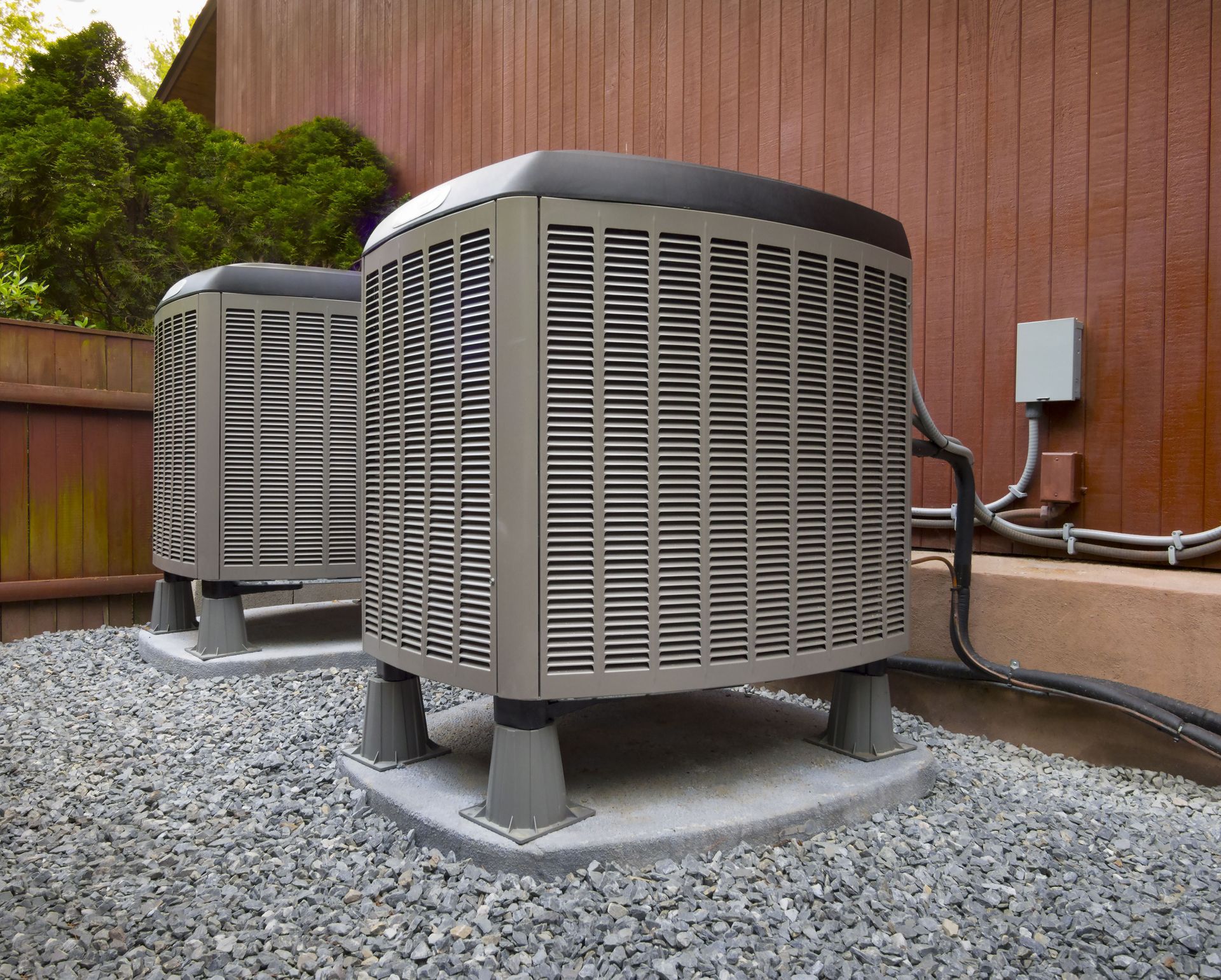
Commercial HVAC systems consist of components such as air handling units, chillers, boilers, ductwork, and thermostats that work together to regulate temperature, ventilation, and air quality. Proper design and installation ensure efficient operation, system longevity, and a safe environment for building occupants. Understanding these components helps businesses appreciate the critical role HVAC systems play in operational success. Beyond individual parts, the overall integration of these components influences system performance, energy use, and general building comfort, making thoughtful planning and attention to detail essential in commercial applications. Even small adjustments in system setup can contribute to smoother operation and overall building efficiency.
HVAC Systems in Commercial Buildings
Commercial HVAC systems are essential for maintaining a productive and safe working environment. They control temperature and humidity, enhance indoor air quality, and contribute to energy efficiency across offices, retail spaces, warehouses, and other business properties. Properly installed and maintained systems support operational continuity, reduce energy costs, and contribute to a building's long-term value. Additionally, well-functioning HVAC systems can help maintain consistent working conditions in diverse areas of a building, from open office floors to individual offices and meeting rooms, providing occupants with a consistently comfortable environment. According to the National Association of Home Builders, in 2024, 20% of new homes also had a secondary type of heating equipment in addition to the primary system. Over time, consistent performance of HVAC systems can also support smoother building management processes and simplified facility oversight.
The Role of Professional HVAC Installers
Professional HVAC Installation Services
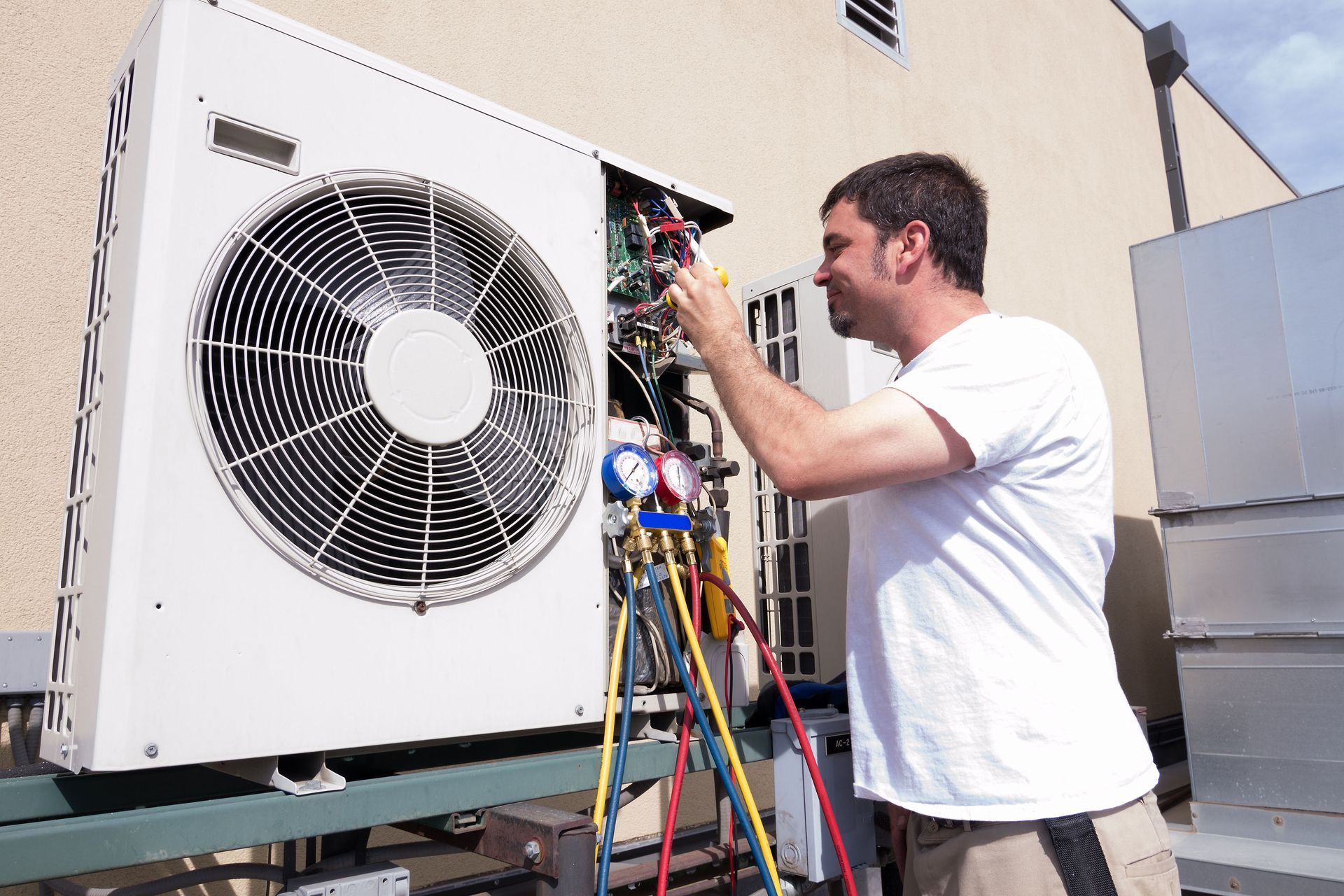
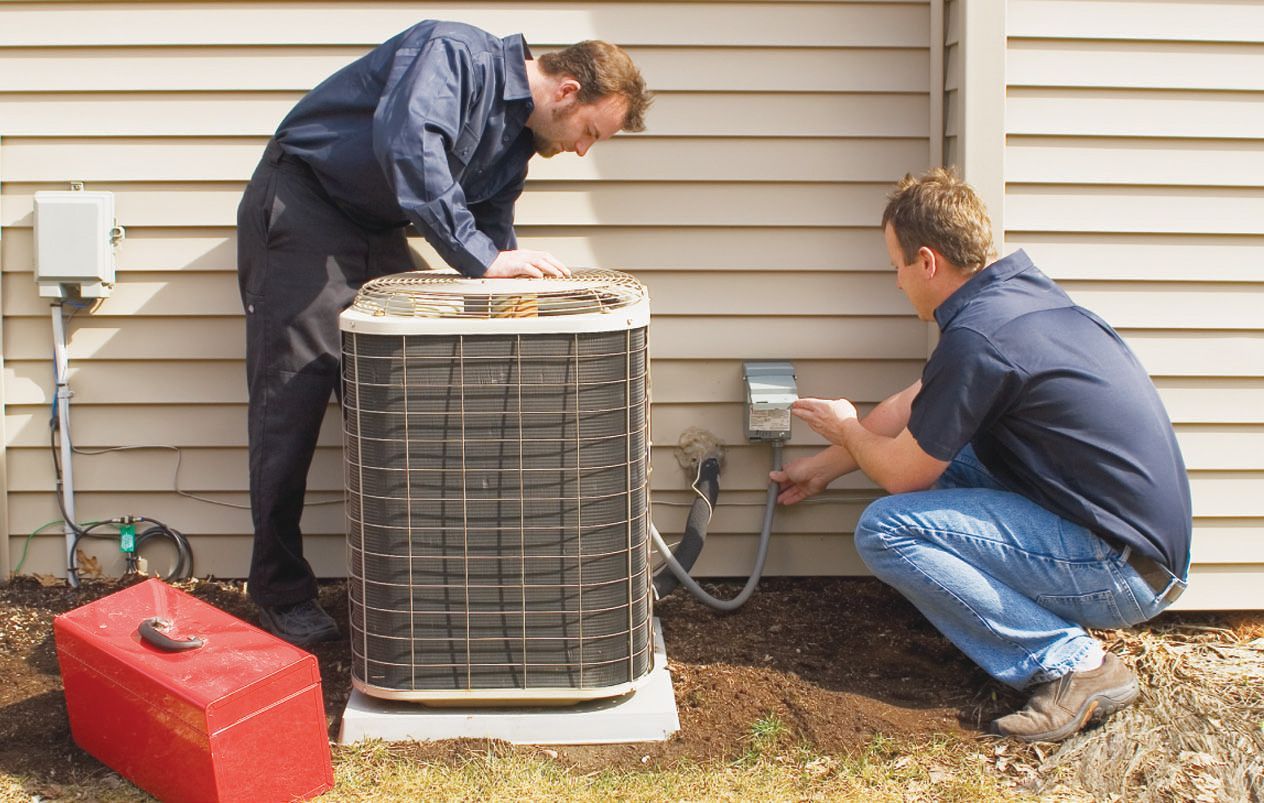
Professional installers bring expertise and precision to commercial HVAC projects. They ensure systems are correctly sized and configured, reducing inefficiencies and minimizing maintenance issues. Installers coordinate with construction teams for new builds and tenant improvements, ensuring compliance with local building codes and industry standards. By leveraging professional HVAC installation services, businesses achieve optimal system performance and long-term operational effectiveness. Beyond installation, professionals can provide guidance on system layout and equipment placement, helping your building operators make informed decisions about system usage and management. Their experience can also support smoother project timelines and fewer installation disruptions.
Custom Commercial HVAC Installations
Commercial HVAC installers tailor systems to the unique demands of a building. They assess factors such as property size, layout, occupancy, and equipment requirements to select optimal solutions. This customization improves operational efficiency, reduces energy waste, and ensures consistent comfort throughout the building. Strategic planning of ductwork, zoning, and equipment placement further enhances system effectiveness. In addition, installers can consider future expansion or modifications during the initial setup, helping systems remain adaptable as building needs change. Careful attention to customization also allows for more precise management of airflow, heating, and cooling across multiple zones or floors.
Optimizing Energy Efficiency
Commercial HVAC System Energy
Energy-efficient HVAC systems reduce operational costs while supporting sustainable building practices. Advanced equipment and proper system design help maintain consistent temperature and airflow across large spaces. Professional HVAC installation services ensure that HVAC systems operate at peak efficiency, minimizing energy waste and lowering utility expenses. Additionally, well-optimized systems can make use of existing building design features, such as ceiling heights and ventilation pathways, to maximize performance. Proper energy management strategies can also extend system life by reducing excessive wear caused by inefficient operation, contributing to smoother overall building management.
Ductwork and Building Design
Efficient ductwork and proper building integration are fundamental to system performance. Well-designed and sealed duct systems prevent energy loss and ensure even air distribution. Coordinating HVAC installations with building layouts enhances overall efficiency, ensuring every area of the property receives optimal climate control. Additionally, effective ductwork planning allows for improved airflow management and better response to changing occupancy or environmental conditions within the building. Thoughtful integration can also help reduce energy costs and support the smooth operation of other building systems that interact with HVAC, such as ventilation and humidity control.
Ensuring System Longevity Through Proper Maintenance
Scheduled Service
Scheduled commercial HVAC maintenance extends system life and ensures consistent performance. Professional services include inspections, cleaning, and performance optimization. Proactively maintaining systems minimizes unexpected downtime, reduces repair costs, and supports operational continuity. Additionally, regular maintenance allows facility managers to plan and budget for system upkeep, reducing surprises and improving long-term building management. Continuous attention to system health also contributes to more stable internal environments, which can improve comfort for occupants throughout the year.
Wear and Inefficiency
Early identification of system issues prevents costly failures. Businesses should monitor HVAC performance indicators such as temperature inconsistencies, unusual noises, and airflow issues. Professional assessments address these concerns before they escalate, helping maintain system functionality and protecting building operations. Observing and addressing minor performance deviations can prevent them from developing into larger mechanical problems, supporting smoother operation and extending the usable life of system components. Regular monitoring also provides insights that may inform future upgrades or operational adjustments.
Customizing Comfort and Performance for Commercial Properties
Zoning Systems and Occupancy Optimization
Zoning systems allow for customized climate control across different areas of a commercial property. Individual zones can be adjusted to match occupancy and usage patterns, improving efficiency and reducing energy waste. This precise control ensures optimal comfort and operational cost savings. Additionally, zoning provides building managers with more flexibility to adjust conditions in specific areas without affecting the entire property. It can also help in accommodating different usage schedules or functions within various zones, allowing for a more adaptable and responsive building environment.
Commercial HVAC System Expansion
As business needs evolve, HVAC systems may require upgrades or expansion. This can include installing additional zones, updating equipment, or modifying systems for new tenant spaces. Professional installers evaluate existing systems to ensure smooth integration and consistent building performance. Planned upgrades can also help accommodate changes in occupancy, equipment loads, or operational schedules, ensuring the building environment continues to meet current needs. Incremental expansions allow systems to remain functional and efficient without requiring complete replacement, supporting cost-effective long-term building management.
Data and Monitoring Systems
Modern commercial HVAC solutions may incorporate monitoring tools to track system performance, identify inefficiencies, and optimize energy usage. Data-driven insights help businesses maintain operational effectiveness and make informed decisions about system upgrades and maintenance schedules. These monitoring systems provide ongoing information about system behavior and usage patterns, allowing managers to better anticipate potential issues and plan maintenance accordingly. Over time, this data can support informed decision-making, assist in energy management, and provide insight into ways to maintain optimal building performance while balancing operational costs. Utilizing HVAC installation services alongside monitoring ensures the system adapts efficiently to building needs.
Investing in professional HVAC installation services supports commercial building performance, energy efficiency, and indoor air quality. Airestream Mechanical Inc offers expert commercial HVAC installation services across California, helping businesses optimize their systems and maintain consistent comfort. Learn more about how Airestream Mechanical Inc can enhance our building's HVAC operations and provide long-term operational benefits.